[GAME THEORY] Ransomware Did Not Need a Better Exploit. It Needed a Better Business Model.
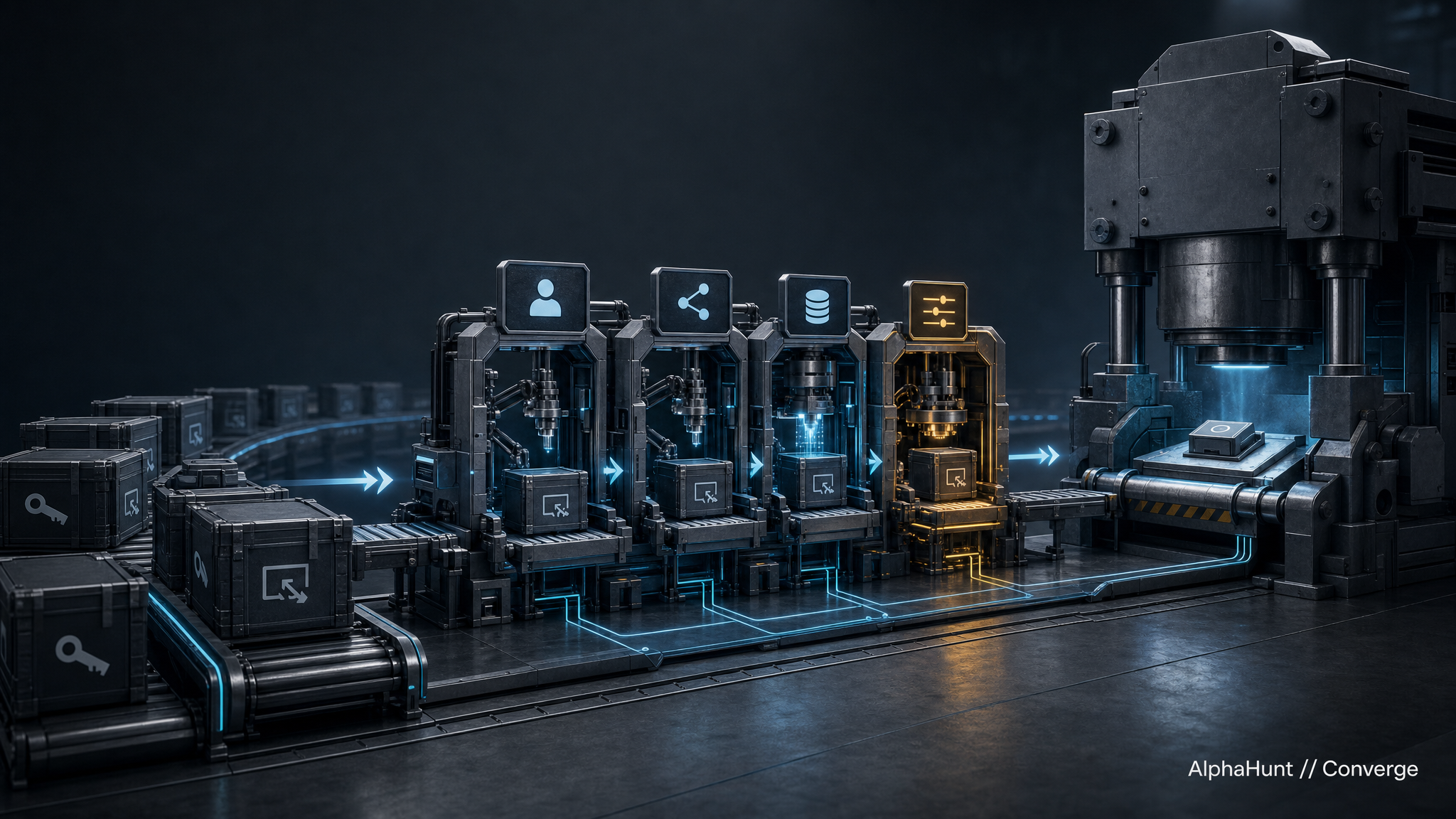
[GAME THEORY] Ransomware Did Not Need a Better Exploit. It Needed a Better Business Model.

AlphaHunt examines how ransomware-as-a-service turns familiar enterprise weaknesses into repeatable extortion inputs—and why recovery maturity changes the attacker’s continuation game only after access. The full analysis separates observed behavior from assessed motive, maps operator, affiliate, broker, victim, government, and insurer incentives, and gives defenders a practical way to pressure the edge-to-recovery path before encryption.
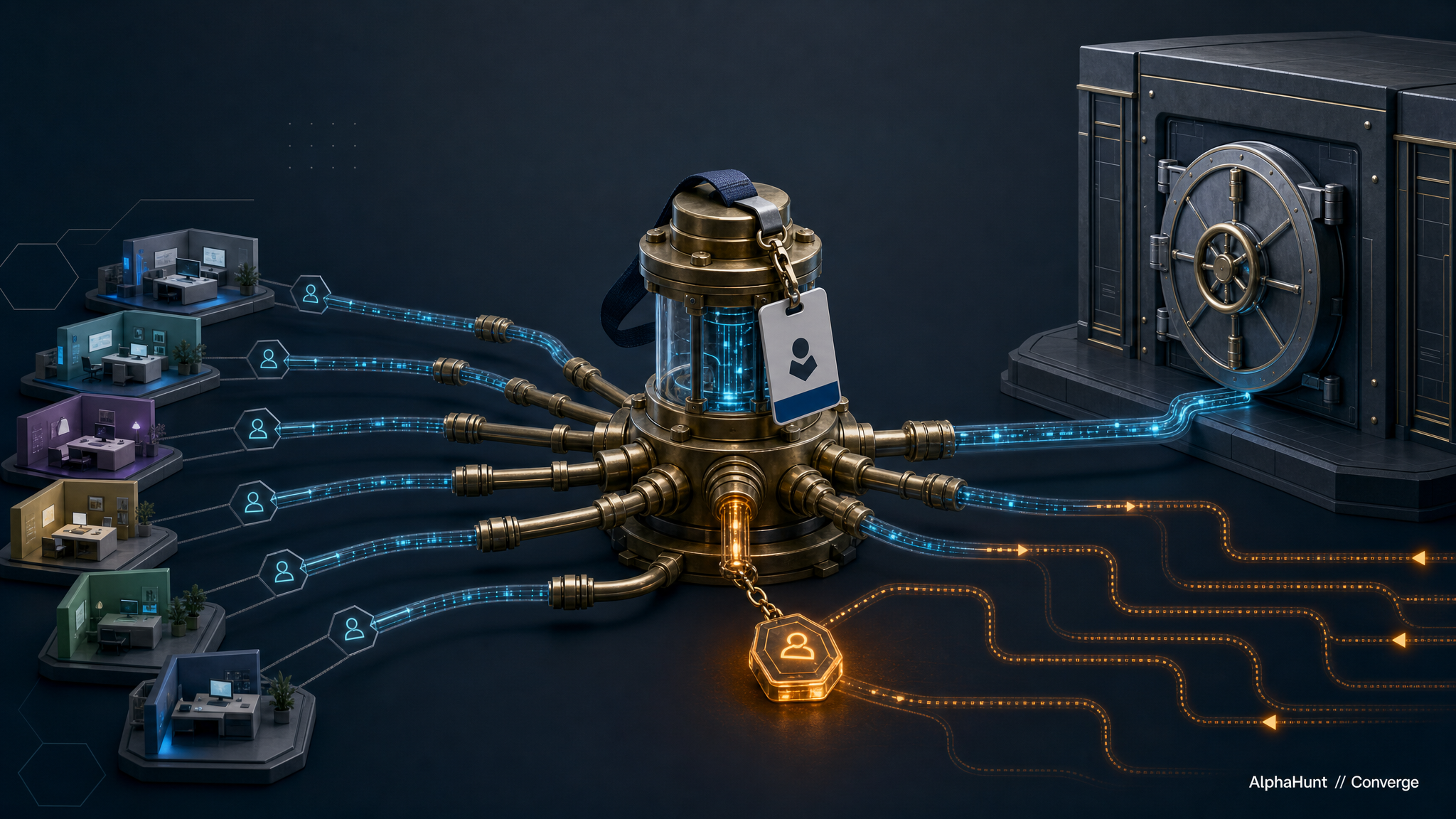

[DEEP RESEARCH] The Container Was Not the Prize. The Token Was.

[DEEP RESEARCH] The Container Was Not the Prize. The Token Was.

A pod compromise becomes a control-plane problem when workload identity turns execution into transitive authority. Kubernetes service-account tokens are not universal master keys, but permissive RBAC, workload federation, cloud IAM, and reachable credentials can connect one application incident to cluster and cloud impact.

[DEEP RESEARCH] The Package Is Training the Reviewer

[DEEP RESEARCH] The Package Is Training the Reviewer

A malicious dependency is no longer only an artifact problem. Attackers can distribute behavior across packages, build stages, and mutable infrastructure while hostile repository context pressures AI-assisted workflows elsewhere in the approval path.

[GAME THEORY] The First Access Broker May Be the Recruiter

[GAME THEORY] The First Access Broker May Be the Recruiter

Defense-industrial access can form before a conventional security workflow has a stable employee, device, or account to monitor. DPRK IT-worker schemes, suspected Iran-nexus recruitment operations, and supplier compromise remain distinct threats, but they expose the same defensive problem: workforce and delegated authority are often created from evidence scattered across teams that do not routinely compare records.

[DEEP RESEARCH] The OT Signal Is What the Defender Could Not See

[DEEP RESEARCH] The OT Signal Is What the Defender Could Not See

Industrial incident reporting often gives analysts the loudest facts first: ransomware branding, a production halt, and a statement that no physical impact was confirmed. Those facts matter, but they do not answer the harder question—what did the adversary learn about the process?