[GAME THEORY] Who can keep an incident open after the vulnerable server is patched?
Integrity Tech’s scanning-to-collection model puts the decision on attack-path ownership, not another attribution desk.
Integrity Tech’s scanning-to-collection model puts the decision on attack-path ownership, not another attribution desk.
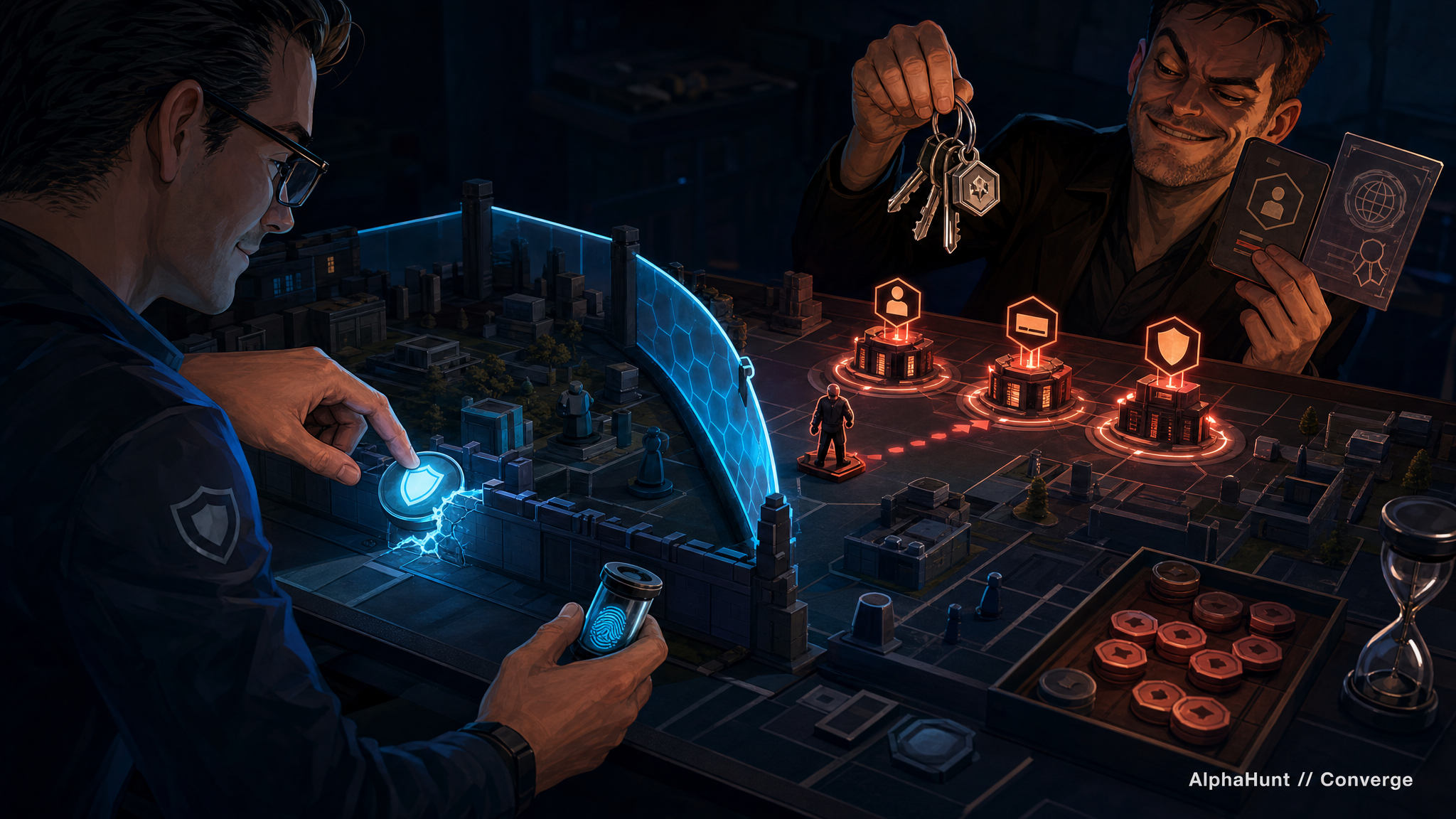
Integrity Tech's capability mix changes the investment question: which routes to mail and identity remain after remediation?
NetScaler shows why version compliance, compromise assessment, and restored trust are three different jobs.
We put a 30% chance on two public FCEB cases proving post-deadline edge exploitation by year-end.
A lot of KEV response still collapses into one closure condition: the vulnerable system was patched. That works if exploitation never happened. It is weaker when the asset was exposed, telemetry is incomplete, or the system carries identity, remote-access, payment, or administrative authority.
Everyone treats “official download” like a security control. It’s mostly a comfort blanket. The CPU-Z case looks less like a flashy intrusion and more like attackers shopping for power users they can resell later.
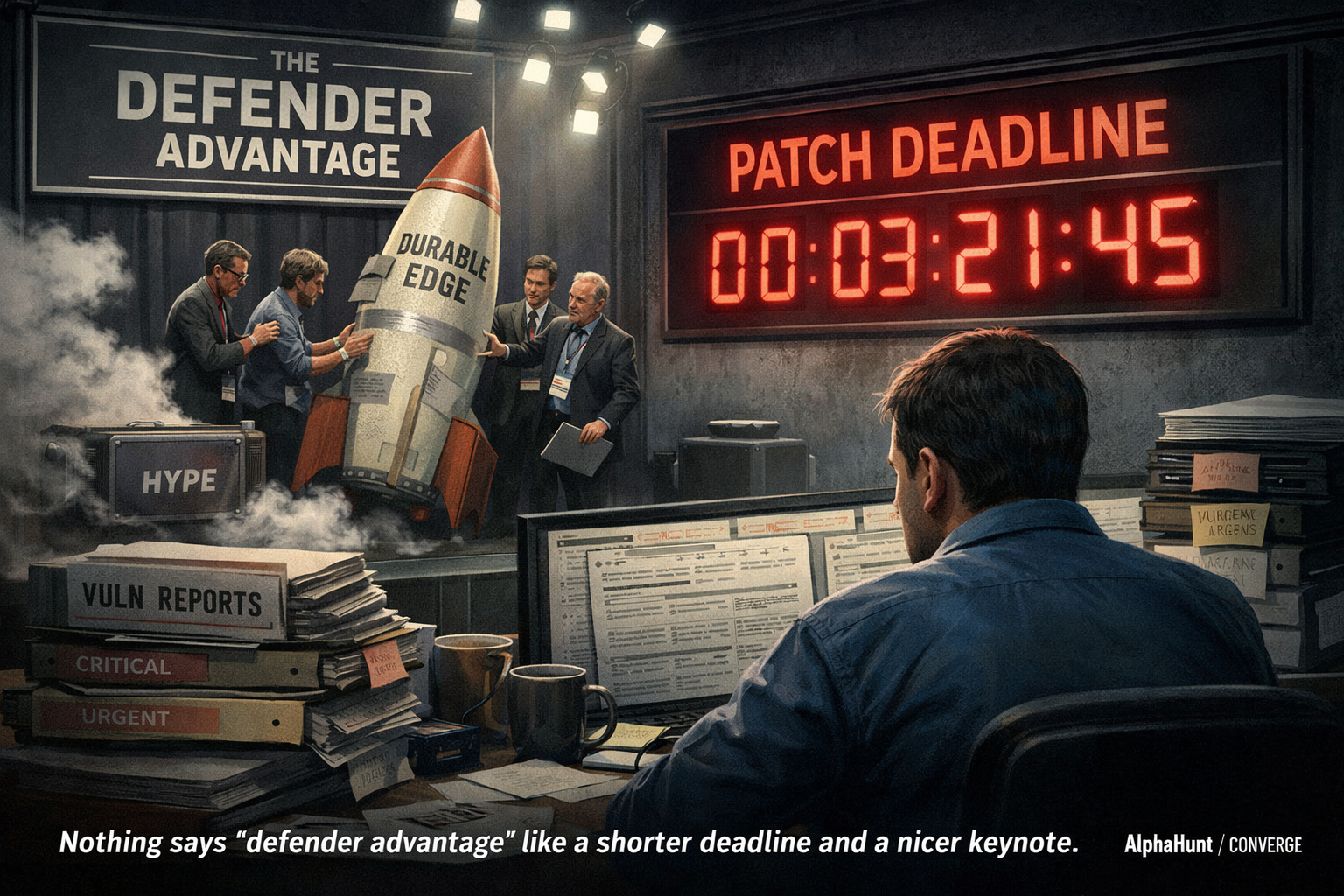
Everyone wants the AI bug hunter.
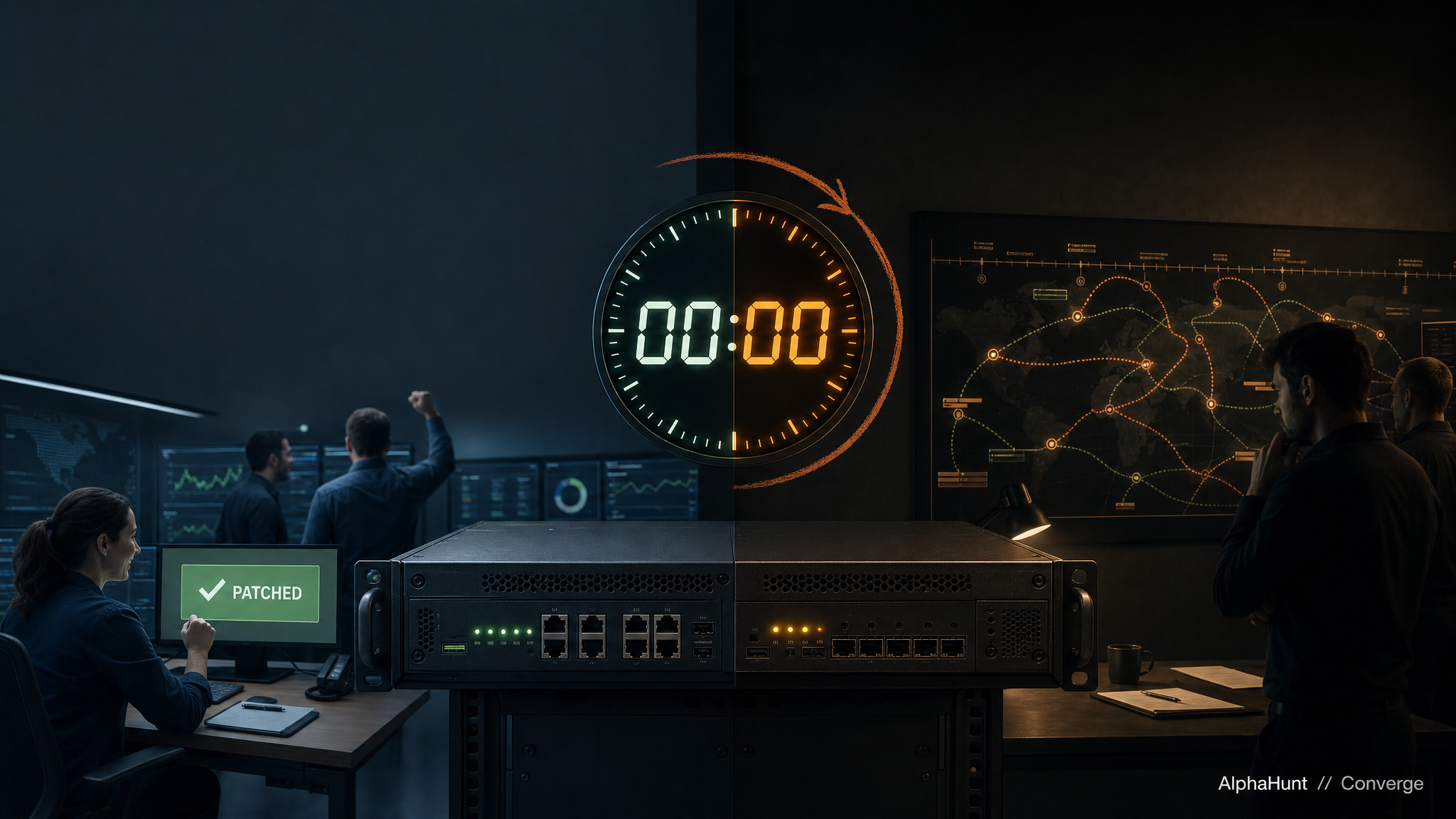
Fewer people want the patch clock that comes with it.
That’s the part getting buried under the stage fog: if the models are better at finding and understanding real bugs, your org does not get safer by applause. It gets safer if it can move before somebody else does.